
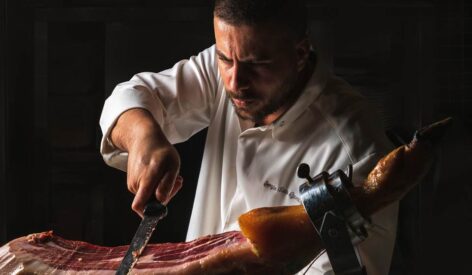
Spanish Gastronomy Series comes to Meliá Chiang Mai
By Asia Food Journal
/ November 10, 2025
he northern Thai city of Chiang Mai is about to experience a decidedly Spanish flavour this winter with the announcement...
Read More
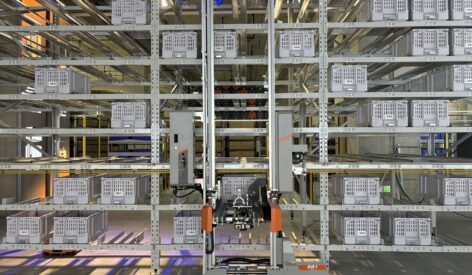
Quicktron Robotics launches the QuickMix suite of integrated goods-handling technologies for Singapore
By Asia Food Journal
/ November 10, 2025
Quicktron Robotics launched the QuickMix suite, its newest generation of intralogistics innovations, in Singapore.
Read More

Breakthrough magnesium compound Magtein® to be showcased at Fi Europe
By Asia Food Journal
/ November 10, 2025
Magtein®, a unique and highly bioavailable form of magnesium with EU novel food status, is to be showcased at Fi...
Read More

Altamura Distilleries expands into Asia with new distribution in Hong Kong and Mainland China
By Asia Food Journal
/ November 10, 2025
Altamura Distilleries, the Italian vodka brand distilled exclusively from 100% Italian durum wheat grown in Puglia’s Altamura region, has announced...
Read More


Tetra Pak launches Tetra Pak® Factory OS™️ to make factories AI-ready
By Asia Food Journal
/ November 5, 2025
Tetra Pak’s next-generation Automation and Digitalisation portfolio, Tetra Pak® Factory OS™️, delivers contextualised, real-time insights for smarter, faster decision-making in...
Read More
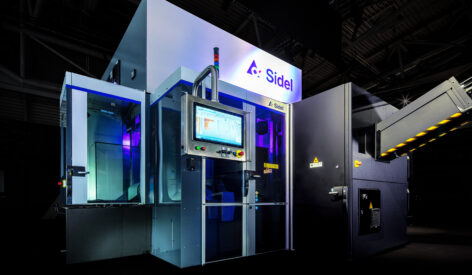
Sidel introduces game-changing EvoBLOW Laser to the Middle East at Gulfood Manufacturing 2025
By Asia Food Journal
/ November 3, 2025
Sidel, a leading provider of packaging solutions for food, beverage, home, and personal care industries, will present its breakthrough EvoBLOW...
Read More
Breakthrough magnesium compound Magtein® to be showcased at Fi Europe
By Asia Food Journal
/ November 10, 2025
Magtein®, a unique and highly bioavailable form of magnesium with EU novel food status, is to be showcased at Fi...
Read More

Barentz announces new distribution partnership with Chemian Technology in the Asia Pacific region
By Asia Food Journal
/ November 7, 2025
Barentz, a leading global specialty ingredients solutions provider, is pleased to announce a new distribution partnership with Chemian Technology, best...
Read More
Tetra Pak launches Tetra Pak® Factory OS™️ to make factories AI-ready
By Asia Food Journal
/ November 5, 2025
Tetra Pak’s next-generation Automation and Digitalisation portfolio, Tetra Pak® Factory OS™️, delivers contextualised, real-time insights for smarter, faster decision-making in...
Read More

Nutriearth inaugurates first European manufacturing site in France, revolutionising natural vitamin D3 production
By Asia Food Journal
/ November 3, 2025
Nutriearth’s patented, biomimetic technology sets new standards for effectiveness, sustainability, and safety in vitamin D3.
Read More
Quicktron Robotics launches the QuickMix suite of integrated goods-handling technologies for Singapore
By Asia Food Journal
/ November 10, 2025
Quicktron Robotics launched the QuickMix suite, its newest generation of intralogistics innovations, in Singapore.
Read More
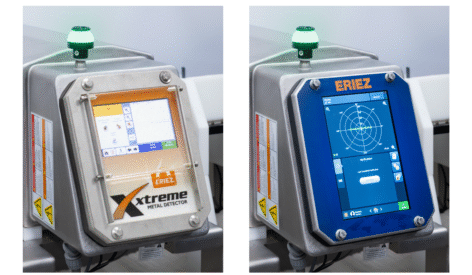
Eriez® launches new program for metal detector upgrades
By Asia Food Journal
/ November 6, 2025
ERIE, PA — Eriez®, a global leader in separation technologies, has introduced a new program to help food, pharmaceutical, and packaging customers...
Read More